C Subramaniam Awards for Community Leaders 2021

The National Foundation for India has instituted awards for voluntary sector workers and community leaders in memory of Bharat Ratna Shri C.Subramaniam, Founder Chairperson of NFI.

In 2021, NFI has awarded 15 committed community leaders from the manual scavenging community and those helping to organise sanitation workers across India. Through these awards, NFI plans to cover community leaders across all states of India and also planning to increase the number of awards next year.

Location
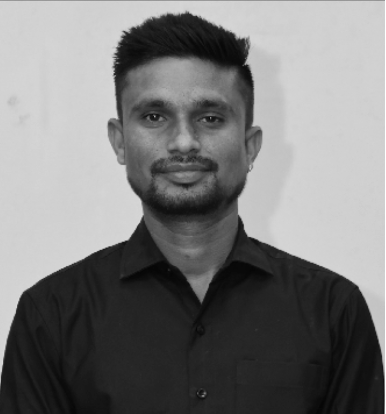
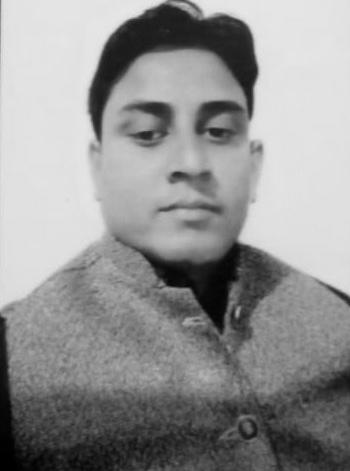
Akash Chouhan
Akash Chouhan is a community leader working with Banchhada and Bedia communities in Madhya Pradesh, primarily in Neemuch, Ratlam and Mandsaur districts. His engagement began after a personal encounter at a district hospital that exposed him to the realities of sexual exploitation and trafficking of women and minor girls in these communities. Since 2016, Akash has worked closely with local police, the Child Welfare Committee and district authorities to report cases of abuse, support rescue operations and enable access to legal and protection mechanisms. Despite resistance rooted in entrenched social practices, he has continued sustained engagement at the community level, mobilising local youth and volunteers and facilitating awareness on child protection, education and legal rights. In February 2023, he formally registered Jan Shourya Social Welfare and Development Society to institutionalise this work. The organisation now undertakes prevention, rescue support, community awareness and education-linked interventions aimed at reducing the exploitation of minor girls and strengthening community accountability.
Madhya Pradesh
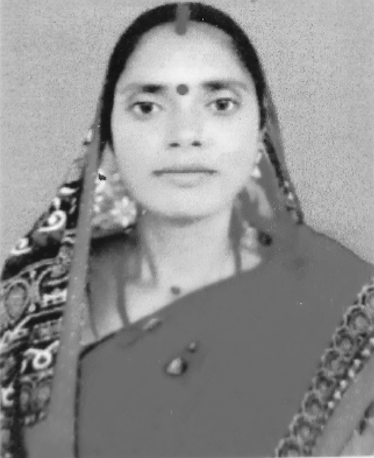
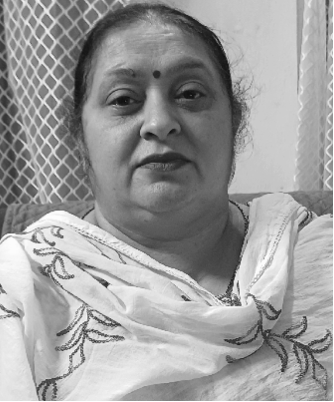
Anjali Mohanta
Anjali Mohanta is a community leader working in Sukinda block of Jajpur district, Odisha. Her engagement in grassroots work began at a young age following her marriage at seventeen and the responsibilities of raising two children. She started by working on village-level governance issues related to water supply and MGNREGS supervision. This introduced her to local administrative systems and development processes. Recognising the role of education in enabling participation and leadership, Anjali resumed her studies while managing household responsibilities, completing her higher secondary education and a postgraduate diploma in computer applications. In 2010, she trained as a government poultry vaccinator, supporting rural livelihoods and women’s nutrition through village-level outreach and service delivery. This work deepened her understanding of health, nutrition, and structural vulnerabilities within mining-affected communities. Anjali’s focus on tuberculosis care emerged from her own prolonged experience with TB diagnosis and treatment between 2012 and 2014. Since 2015, she began supporting TB patients in her Gram Panchayat for treatment, addressing stigma and barriers to care. From 2022, she has been working with Ekta Niketan leading a community-based initiative to provide, end-to-end TB care across 7 Gram Panchayats in Sukinda, involving screening, referral, treatment adherence, and follow-up in coordination with the public health system. In addition to health work, Anjali has held leadership roles as a Panchayat ward member and as president of the Gram Panchayat-level SHG Mahasangh, supporting women’s collective action, engagement with local governance, and campaigns addressing alcoholism and environmental health concerns linked to mining. Despite personal loss, including the recent death of her husband, she continues her work with sustained community trust and commitment, grounded in collective care and local leadership.
Odisha
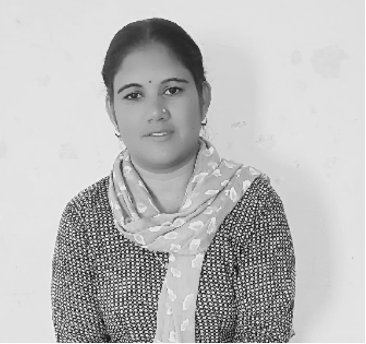
Anjali Mohanta
Anjali Mohanta is a community leader working in Sukinda block of Jajpur district, Odisha. Her engagement in grassroots work began at a young age following her marriage at seventeen and the responsibilities of raising two children. She started by working on village-level governance issues related to water supply and MGNREGS supervision. This introduced her to local administrative systems and development processes. Recognising the role of education in enabling participation and leadership, Anjali resumed her studies while managing household responsibilities, completing her higher secondary education and a postgraduate diploma in computer applications. In 2010, she trained as a government poultry vaccinator, supporting rural livelihoods and women’s nutrition through village-level outreach and service delivery. This work deepened her understanding of health, nutrition, and structural vulnerabilities within mining-affected communities. Anjali’s focus on tuberculosis care emerged from her own prolonged experience with TB diagnosis and treatment between 2012 and 2014. Since 2015, she began supporting TB patients in her Gram Panchayat for treatment, addressing stigma and barriers to care. From 2022, she has been working with Ekta Niketan leading a community-based initiative to provide, end-to-end TB care across 7 Gram Panchayats in Sukinda, involving screening, referral, treatment adherence, and follow-up in coordination with the public health system. In addition to health work, Anjali has held leadership roles as a Panchayat ward member and as president of the Gram Panchayat-level SHG Mahasangh, supporting women’s collective action, engagement with local governance, and campaigns addressing alcoholism and environmental health concerns linked to mining. Despite personal loss, including the recent death of her husband, she continues her work with sustained community trust and commitment, grounded in collective care and local leadership.
Odisha
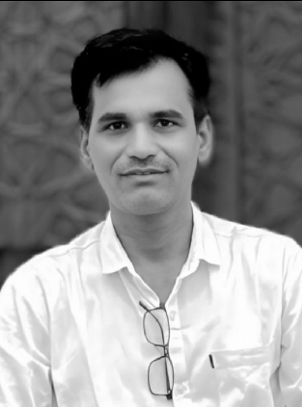
Arvind Borkar
Arvind Borkar is a voluntary sector worker based in Yavatmal district, Maharashtra, with over two decades of engagement in rural, tribal and Dalit communities. Growing up in a tribal area, he witnessed persistent challenges related to land alienation, social exclusion and limited access to rights and entitlements. These early experiences shaped his long-term commitment to dignity, social justice and community-led development. While still a student, Arvind began engaging with social issues and governance processes affecting marginalized communities. In 2006, he co-founded Sant Kabir Krida, Shikshan va Gramin Vikas Bahuuddeshiya Sanstha with like-minded people to work collectively on issues in rural and tribal areas. The organisation initially focused on mobilising women through self-help groups, facilitating savings, bank linkages, financial literacy and livelihood skill development to strengthen economic participation and local leadership. Over time, Arvind led sustained efforts to secure individual and collective land rights for tribal and Dalit farmers across villages in Yavatmal and adjoining talukas. Through continuous engagement with Gram Sabhas and district administration, the organisation has supported individual land claims and facilitated collective claims in multiple villages, strengthening farmers’ tenure security. He has also been actively involved in land and water regeneration initiatives, including silt-free dam programmes, pond restoration, organic farming and mixed orchard plantations, contributing to improved soil fertility, water conservation and rural livelihoods. Arvind works both as a field worker and an organiser, maintaining close engagement with communities while bridging them with government systems such as MGNREGA and land administration. He has focussed on youth leadership development by promoting Gram Sabha participation, mentoring young volunteers and encouraging democratic decision-making at the village level. His work consistently emphasises community ownership, constitutional values and leadership from within, contributing to the transformation of villages into spaces of greater self-reliance, equity, and collective dignity.
Maharashtra
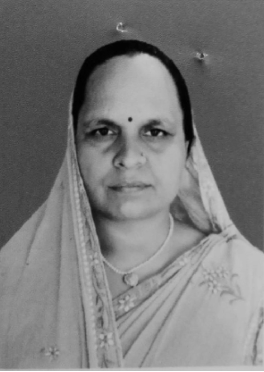
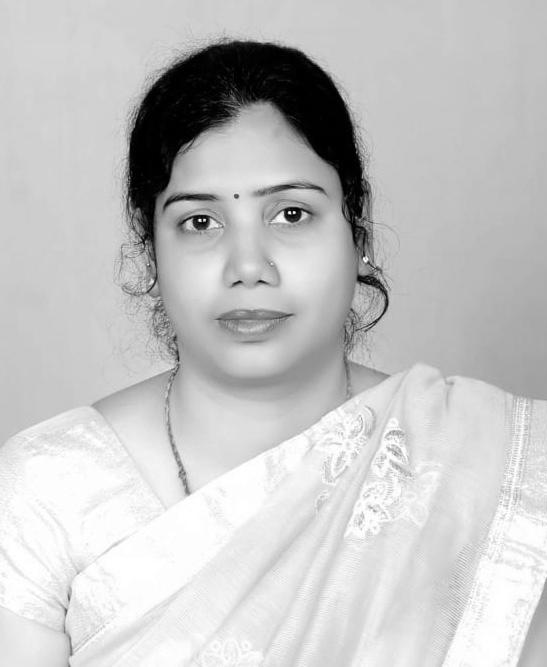
Bindu Devi
Bindu Devi is a community leader based in the Purvanchal region of Uttar Pradesh, with over fifteen years of grassroots engagement focused on women’s empowerment, child nutrition and awareness on rights and entitlements among marginalized communities. Growing up in conditions of poverty, social inequality and limited access to education, she developed an early commitment to addressing structural barriers faced by women, Dalit, Adivasi and minority communities. She has been associated with Dr. B.R. Ambedkar Gram Vikas Samiti, through which she has organised village-level training camps aimed at building livelihood skills for women. These interventions have enabled women to access income-generating opportunities, with enabling many with stable income through skill-based work. Her approach prioritises economic independence as a pathway to social participation and equality. Bindu has also been actively involved in addressing child malnutrition in government schools across multiple districts, including Mirzapur, Bhadohi, Jaunpur and Prayagraj of Uttar Pradesh. She has worked with families and schools to promote access to nutritious meals and improve awareness around child health. Her engagement extends to health outreach, including collaboration with hospitals and government schemes to facilitate health check-ups, vision screening and access to basic support services. Bindu’s work is characterised by direct engagement in local languages, which has helped build trust and sustained participation within communities. She has also supported and mentored emerging community leaders, encouraging collective action grounded in education, equality and constitutional values. Despite persistent challenges, she remains committed to advancing inclusive development and strengthening women’s participation in community life.
Uttar Pradesh
Dharam Das
Dharam Das started his career as a scavenger and through struggle liberated himself from the restrictions he faced. He is now leading the manual scavenging and sanitation workers’ community in six districts in Jharkhand.
Ranchi, Jharkhand
Gagandeep
Gagandeep is a community leader and legal practitioner based in Punjab, with over two decades of work at the intersection of labour rights, law and social justice. Since the early 2000s, she has worked with Volunteers for Social Justice (VSJ) to address issues around bonded labour, caste-based exploitation, and systemic exclusion of Dalit, migrant and women workers, particularly in brick kilns and agricultural sectors. Beginning her work as a young lawyer, Gagandeep combined legal intervention with sustained community mobilisation to document bonded labour practices, file petitions and pursue wage recovery, release and rehabilitation through constitutional and statutory mechanisms. Over the years, her efforts have contributed to the release and compensation of thousands of workers, with several cases establishing local precedents under the Bonded Labour System (Abolition) Act. A long-fought case involving Dalit women brick kiln workers in Mansa marked a significant milestone, resulting in full wage recovery and strengthening women’s confidence to assert their rights. Recognising the limits of court-led remedies, Gagandeep has prioritised legal empowerment from within communities. Under her leadership, VSJ has trained community paralegals, many of them former bonded labourers, to support documentation, access welfare entitlements and monitor rights violations. This has enabled continuity of action beyond individual cases. Since 2021, her work has expanded through a collaboration with the Rights Lab at the University of Nottingham, using satellite imagery and geospatial data to identify illegal brick kilns and support targeted rescue and enforcement efforts in partnership with local authorities. Despite sustained resistance and intimidation from vested interests, Gagandeep continues to work with a focus on participatory justice, community leadership, and the realisation of constitutional guarantees in everyday life.
Punjab
Heera Devi
Heera Devi is a community leader based in Lunkaransar block of Bikaner district, Rajasthan, with over fourteen years of grassroots experience focused on girls’ education, prevention of child marriage and women’s leadership. Married at a young age, she continued her education despite social pressure and early motherhood, completing her senior secondary education and emerging as a local advocate for girls’ rights. Heera Devi’s engagement deepened after joining Urmul Setu Sansthan, where she began working with adolescent girls, women and families affected by early marriage, gender discrimination and limited access to education. She formed adolescent girls’ collectives, women’s self-help groups and community forums to address child marriage, school dropouts and awareness of government welfare schemes. Initially facing resistance, including exclusion from some villages, she gradually built trust through sustained dialogue and community participation. Heera has supported families in accessing pensions, Palanhar benefits and other welfare entitlements and played a key role in upgrading seven schools in the Lunkaransar block, enabling hundreds of girls to continue their education. A central outcome of her work has been the mentoring of 72 adolescent girl leaders who now engage with panchayats, lead awareness initiatives and support other girls in pursuing education and public participation. Her work reflects a participatory, community-rooted approach to advancing gender equality, and education in rural Rajasthan.
Rajasthan
Jyoti Balmiki
Jyoti Balmiki from Sagar, Madhya Pradesh, saw her mother go to do her daily manual scavenging work. At times, with a book to read, she followed her mother to work. Therefore, from the age of five, Jyoti has been a Safai Karmachari Women rights activist, focusing on rural districts of Madhya Pradesh in central India.
Sagar, Madhya Pradesh
Kalamuddin Ansari
Kalamuddin Ansari is a voluntary sector worker based in Garhwa district, Jharkhand, with over eighteen years of grassroots experience working with Adivasi and tribal communities on livelihoods, rights awareness and social justice. His engagement began in 2007 through village-level mobilisation to improve access to employment, food security and basic entitlements in a region marked by poverty and limited institutional reach. He played a key role in facilitating access to MGNREGA job cards and Public Distribution System ration cards for hundreds of families, strengthening food and income security. His work later expanded to social audits of public schemes, contributing to greater transparency and accountability at the local level. Kalamuddin has also supported Adivasi communities in claiming forest rights and securing land tenure under the Forest Rights Act. A significant dimension of his work includes addressing human trafficking and child labour, in coordination with the Child Welfare Committee and District Legal Services Authority, supporting rescue, rehabilitation and reintegration of affected girls. Kalamuddin has also promoted sustainable agriculture through training in the SRI method, millet cultivation and organic farming, contributing to climate-resilient livelihoods. During the COVID-19 pandemic, he coordinated relief efforts to ensure food and essential support reached vulnerable families. Currently, as a legal awareness trainer and community mentor, he continues to build local leadership, confidence and participation rooted in constitutional values and community trust.
Jharkhand
Kishan Gopal
Kishan Gopal has worked since ten years as a community leader of the scavenging and sanitation workers communities.
Farukhabad, Uttar Pradesh
Kshirasindhu Sagari
Kshirasindhu Sagaria is a community leader based in Nuapada district, Odisha, with over fifteen years of grassroots engagement focused on governance accountability, social security and community empowerment among Dalit and Adivasi communities. Trained as a teacher, his work evolved from education into rights-based issues aimed at strengthening transparency and citizen participation. In 2009, his investigation and use of the Right to Information Act exposed large-scale corruption in the implementation of MGNREGS, leading to the suspension of multiple officials. Similar interventions in Anganwadi appointments resulted in administrative action. Despite facing sustained backlash, including false cases and intimidation, he continued his work with strong community support grounded in transparency and collective action. Kshirasindhu has played a key role in organising community forums such as Dom Gana Samaj and Dalit–Adivasi platforms to address corruption, access food and livelihood entitlements and demand forest rights under the Forest Rights Act. Through social audits, village meetings and participatory planning, he has enabled villagers to engage directly with governance processes . During the COVID-19 period, he coordinated community relief, rights awareness and livelihood recovery efforts. His work reflects a participatory approach rooted in constitutional values of equity, accountability and social justice.
Odisha
Madhuri Khadse
Madhuri Khadse is a voluntary sector worker based in Yavatmal district, Maharashtra, with nearly three decades of grassroots experience focused on women’s leadership, health, livelihoods and inclusion of marginalised groups. Her work began in 1995 with adolescent girls in tribal villages, addressing issues of health, sexual and reproductive health awareness and safety which gradually expanded through sustained engagement with women and their families. Since 2002, she has played a central role in forming and strengthening women’s self-help groups across six talukas, facilitating access to banking, financial literacy and collective decision-making. Through these groups, women have addressed domestic violence, economic exploitation and social exclusion. Madhuri has also worked closely with police vigilance committees to support family counselling and dispute resolution. Her initiatives include the Sanjeevani community health programme, which trained local women to provide basic maternal and child health support in remote villages and community-based rehabilitation efforts with persons with disabilities, focusing on dignity, livelihoods and participation in public life. Madhuri has also organised tribal, single and disabled women farmers to practice organic farming, reclaim land use and preserve traditional seeds. Her work has strengthened women’s recognition as farmers and leaders, rooted in self-reliance and community trust.
Maharashtra
Mallepalli Laxmaiah
Mallepalli Laxmaiah is a senior voluntary sector worker and a prominent contributor to social issues based in Telangana, with over four decades of engagement on Dalit rights, social justice and participatory governance. Born into a Dalit family in Karimnagar district, his early experiences of caste discrimination and violence shaped a lifelong commitment to equity, dignity and constitutional values. As a student, he began organising community meetings, grounding his work in collective leadership and grassroots mobilisation. Laxmaiah’s journalism career became a central vehicle for social change. Over forty years, his reporting consistently amplified Dalit and Adivasi concerns, exposing systemic injustice, policy failures and misuse of welfare funds across Telangana and Andhra Pradesh. In 1999, he founded the Centre for Dalit Studies to move from documentation to policy change and institutional reform. Through research, alliances and sustained mobilisation, he played a pivotal role in shaping rights-based development frameworks, most notably contributing to the enactment of the SCSP–TSP Act, which legally safeguards budgetary allocations for marginalised communities. His work has consistently focused on transforming welfare into entitlement, strengthening accountability and mentoring new generations of leaders committed to equality and democratic participation.
Telangana
Manisha Tokle
Manisha Tokle is a community leader from Beed district, Maharashtra, with over three decades of grassroots engagement focused on women’s rights, labour justice and social inclusion among Dalit, Adivasi, NT-DNT, minority and migrant communities. Her work began in the early 1990s with women in sex work settlements, supporting access to identity documents, food security and education for their children. She later played a key role in relief and rehabilitation efforts following the Latur earthquake, working closely with affected families across villages. Over the years, Manisha has been involved in campaigns addressing caste discrimination, bonded labour, land rights and gender-based violence. As part of land rights movements in Maharashtra, she supported large-scale mobilisation that enabled Dalit and Adivasi families to secure access to cultivable land and livelihoods. Since 2019, her work has focused on women sugarcane-cutting labourers in Beed district, where she led awareness and action around exploitative labour conditions, including forced hysterectomies. Through sustained organising, she has helped build women workers’ unions and leadership platforms that have influenced state-level policy responses. Her work is grounded in constitutional values of dignity, equality and collective action.
Maharashtra
Meenu
As a liberated woman scavenger, she organizes women from the community in National Community Region. “I worked for years lifting waste. After coming into the movement, I left the work and motivated women in my neighbourhood to move into other livelihoods, working to get them access to e-rickshaws or other means through Safai Karamachari Andolan,” states Meenu. She is instrumental for many women’s liberation from manual scavenging in her work since two decades.
Nandnagri, Delhi
Nazni Rizvi
Nazni Rizvi is a voluntary sector worker and grassroots journalist from Bundelkhand region, with over seventeen years of experience reporting on social justice issues affecting marginalised communities. Since beginning of her journalism career in 2007, she has worked extensively across Uttar Pradesh and neighbouring states, focusing on women’s rights, gender-based violence, minority communities and the lives of transgender persons. Her reporting prioritises ground-level realities and voices that are often absent from mainstream media. Associated with Khabar Lahariya, Nazni has produced field-based stories that challenge social taboos, superstition and systemic discrimination, using accessible language to foster public dialogue. Her work has addressed issues such as domestic violence, child marriage, reproductive rights and discrimination faced by LGBTQ+ communities, contributing to wider awareness and administrative engagement. Nazni’s approach is rooted in long-term trust with communities, ethical reporting practices and safeguarding the dignity and safety of sources. As a single woman navigating social and professional barriers, she has remained committed to amplifying marginalised voices with integrity. Her journalism reflects constitutional values, equality and inclusion, and underscores the role of community-centred reporting in strengthening democratic accountability.
Uttar Pradesh
Nisha Sarwan
She is active in organizing safai Karmacahri youth in Gumla, an interior forested district in Jharkhand, and is organizing youth associations among the manual scavenging community.
Gumla, Jharkhand
Pammi
Pammis is a women rights’ rights activist, instrumental in bringing many girls from the community out of scavenging, enabling girls to focus on education and other livelihood streams.
Shahbad, Haryana
Pawan Nakawal
Pawan Nakawal, Jaipur (Rajasthan), works as a senior leader of the community. He has led surveys to identify manual scavengers in 21 districts of Rajasthan to work towards eradication of manual scavenging. He aims to build community leaders and improving access to education for Dalit workers in around Jaipur.
Jaipur, Rajasthan
Poonam
Poonam from Roorkie, Uttarakhand is a youth activist who started her engagement with the sanitation workers’ community in Dehradun in 2010 where her mother did manual scavenging work. She has led surveys to identify 2200 scavengers in Uttarakhand and organised 6000 workers in the region.
Roorkie, Uttarakhand
Poonam Tushamad
Poonam Tushamad, Delhi is an Ambedkarite activist, apoet, writer, scholar, and a strong voice against patriarchy and caste in the scavenging community. She has a Phd and has published articles and is an author of two books and two poetry volumes on caste and gender inequalities. She is the first woman in her family to earn a doctorate. She believes the imposition of sanitation and scavenging work on Valimiki because of caste practices must end. “Why only us, after all?” she asks.
Delhi
Prabhasini Batkar
Prabhasini Batkar is a community leader from Kandhamal district, Odisha, with nearly two decades of grassroots experience working with Adivasi communities, particularly Kandha and Particularly Vulnerable Tribal Groups (PVTG) on health, nutrition and women’s leadership. Since 2005, she has been engaged in remote and forested regions, supporting tribal women and families to access basic healthcare, food security, and social entitlements. Her work has focused on addressing malnutrition, maternal and child health and gender-based barriers to care through sustained door-to-door engagement and community mobilisation. Associated with organisations like PRADATA, SWATI and Atmashakti Trust, she has played a key role in strengthening women’s collectives, facilitating access to Public Distribution System (PDS), Integrated Child Development Services (ICDS) and Mamata Yojana benefits and promoting preventive healthcare through community-owned health initiatives. Prabhasini has consistently worked to increase women’s participation in Gram Sabhas and local health committees, enabling them to raise concerns related to child marriage, nutrition, and service delivery. Her approach is grounded in trust, long-term presence and collective leadership, contributing to improved health awareness and greater confidence among women in one of Odisha’s most underserved districts.
Odisha
Pravesh Chhachhar
Pravesh Chhachhar migrated from Meerut to work in Delhi. He worked in the non profit sector but left the job after facing caste disrcimination. He then started an organisation focusing on English speaking courses within the manual scavenging community living in Rohini in north west Delhi.15. Preeti, from the Trilokpuri slum of Delhi organises school lessons and leads computer training in basic programmes for scavenging community girls and boys in an industrial shed in Trilokpuri, Delhi. She began community work five years back.
Rohini,Delhi
Preeti
Preeti organises school lessons, and leads computer training in basic programmes for scavenging community girls and boys in Industrial Shed in Trilokpuri, Delhi. She began community work five years back.
Trilokpuri slum, Delhi
Raj Valmiki
Raj Valmiki, Ranjit Nagar, Delhi is a poet, writer, and workers’ rights activist. His parents did not go to school and his mother worked as a manual scavenger to support his education. As an adolescent, Valmiki taught remedial classes to younger children to support his own education so that his mother did not have to continue manual scavenging to support his education. He earned a Masters in Social Work and as a member of the Dalit Writers’ Union, he has raised his voice against social inequalities as well as a strong voice against caste system. He is hopeful that the community through their struggle will completely eradicate the practice of manual scavenging.
Ranjit Nagar, Delhi
Rajpal Balmiki
Rajpal has initiated bridging the gap between government schemes and the intended beneficiaries, enabling access for scavengers. He did effective advocacy and facilitated rehabilitation schemes
Kolkata, Bengal
Ravita Kherwal
Ravita Kherwal, Chandigarh lost her parents early in her life. She was brought up by her grandmother who worked as a manual scavenger and encouraged her education. She became the first woman to do a BA in her local community and started work as a youth activist in Dehradun and later relocated to Chandigarh. She has organized sanitation workers in Chandigarh and led a campaign to support families of seven sewer cleaning workers to get Rs 13 lakh compensation from the government after their deaths inside manholes. She is active in organising the community to access school admissions to institutions through the provisions in Right to Education for economically weaker sections.
Chandigarh
Shashi Ahirwar
Shashi Ahirwar is a voluntary sector worker from Guna district, Madhya Pradesh, with over twenty-five years of grassroots experience working with Sahariya Adivasi, Dalit, women and marginalised labour communities. Her engagement began in 2000 as a community health worker in Kanchanpur village, where she supported children’s education and facilitated vaccination and basic healthcare access in areas previously unreached by public services. Since 2003, she has been associated with the Bandhua Mukti Morcha, working on issues of bonded labour, child labour, minimum wages and rehabilitation of freed workers. Through sustained field engagement, she has supported the release and rehabilitation of thousands of bonded labourers and worked with district administration to enable access to welfare and livelihood support. Apart from labour rights, Shashi has led community campaigns addressing child marriage, gender discrimination, sanitation and substance abuse. Shashi has also supported the establishment of anganwadi centres, promoted school access for children experiencing caste-based exclusion and trained women in home-based livelihood skills to strengthen their financial independence. Her work is characterised by long-term community trust, persistence in the face of resistance, and a strong commitment to dignity, equality and constitutional values.
Madhya Pradesh
SK Riazuddin
SK Riazuddin is a voluntary sector worker from Birbhum district, West Bengal, with over twenty-five years of grassroots engagement across health, education, community mobilisation and sustainable livelihoods. His work began informally in the late 1990s through community-led responses to local crises, including rebuilding a village school after a fire through collective contributions and volunteer labour. Riazuddin has played a significant role in improving public health outreach in Muslim-majority and tribal villages, particularly during immunisation campaigns where mistrust of government services was high. By engaging religious leaders, elders and local cultural practices, he helped build community acceptance for vaccination and preventive healthcare, leading to improved participation in public health programmes. Along with health work, SK Riazuddin has contributed to initiatives on improved literacy, community theatre, and environmental education. In recent years, he has focused on linking education with nutrition and sustainability by supporting school-based nutri-gardens that supply vegetables for midday meals while promoting ecological awareness and dignity of labour among children. His work is rooted in trust, participation and long-term community relationships, reflecting core constitutional values of inclusion, fraternity and collective responsibility.
West Bengal
Sunder Raj
Sunder Raj is a grassroots community worker and struggling to organise manual scavenging community in and around Kollam District
Kollam, Kerala